How to Spot High Quality Clothing: 7 Tests
Table of Contents
- Why Spotting High Quality Clothing Matters
- Test 1: Check Fabric Density and Feel
- Test 2: Inspect Seam Construction and Stitching
- Test 3: Evaluate Button Quality and Attachment
- Test 4: Test Zipper Functionality and Material
- Natural vs Synthetic Fabrics Guide
- How to Build a Capsule Wardrobe with Quality Pieces
- Assessing Quality When Shopping Online
Last Updated: August 25, 2026
Why Spotting High Quality Clothing Matters
Learning to spot high quality clothing prevents wasting money on items that fall apart after a few wears. Construction methods, fabric density, hardware durability, and fiber content determine how long a piece lasts. A $60 dress that survives 50 wears costs $1.20 per wear, while a $25 piece that fails after five wears costs $5 per wear (the FTC). This guide walks you through seven practical tests you can perform in-store, at home, or while browsing online.
Test 1: Check Fabric Density and Feel
Run your hand across the material. High-quality fabrics feel dense and structured rather than thin and flimsy. Hold the garment up to light, if you can see your hand clearly through a dress or shirt that shouldn't be see-through, the fabric density is too low.
Test fabric recovery by pinching the material for a few seconds, then releasing. Quality fabrics bounce back immediately because fibers are tightly woven. Rub the fabric against itself to check for pilling potential. If it immediately balls up, fibers are loosely bound and will deteriorate quickly.
Test 2: Inspect Seam Construction and Stitching
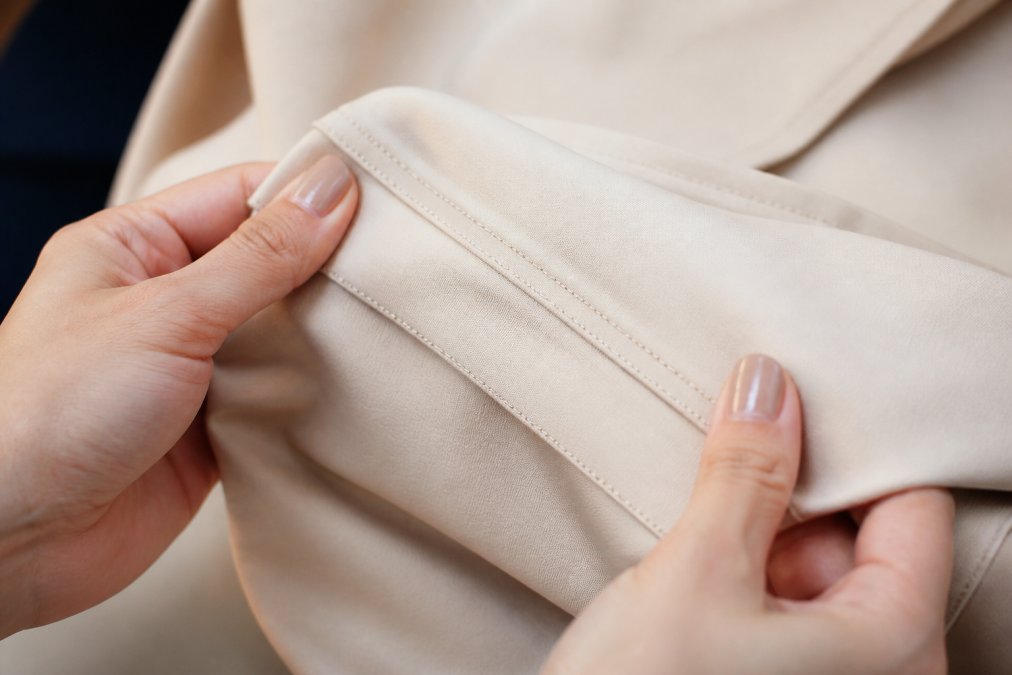
Turn the garment inside out and examine the seams. The best construction uses flat-felled seams, where one seam allowance is folded over the other and stitched down twice. This creates a strong, durable seam that won't unravel.
Look at stitch tension. High-quality pieces have consistent, even stitches that lie flat. Check for bound seams on items where raw edges would be visible, quality garments bind edges with bias tape or use serged seams rather than leaving raw edges exposed. Examine pattern matching at seams, especially on striped or patterned fabrics. Quality manufacturers align patterns perfectly where seams meet. Count the stitches in a one-inch section; quality pieces typically have 10-12 stitches per inch, while cheaper items might have only 6-8 (peer-reviewed research).
Test 3: Evaluate Button Quality and Attachment
Quality buttons are made from bone, mother-of-pearl, wood, or high-grade plastic that feels substantial (astm.org). Cheap buttons are thin plastic that feels hollow. Quality garments use multiple threads (usually four) that crisscross through button holes, creating a strong attachment. Many quality pieces include a small thread shank that allows room for the buttonhole without creating stress on the button.
Check buttonholes for clean finishing. Edges should be bound or finished neatly, not raw or fraying. Gently pull on each button, it shouldn't move or feel like it might pop off.
Test 4: Test Zipper Functionality and Material
Quality zippers are made from metal (usually brass or aluminum) or high-grade plastic. Run the slider up and down, it should move smoothly without catching or sticking. Test the zipper teeth alignment by opening and closing it several times. Quality zippers glide smoothly because teeth are precisely manufactured.
Check for reinforced zipper tape. The fabric strip the zipper is sewn to should be sturdy and well-finished. Examine the zipper pull, quality garments use substantial pulls made from metal or durable plastic. Look at how the zipper is finished at the top and bottom with reinforced stops that prevent the slider from coming off.
Natural vs Synthetic Fabrics Guide
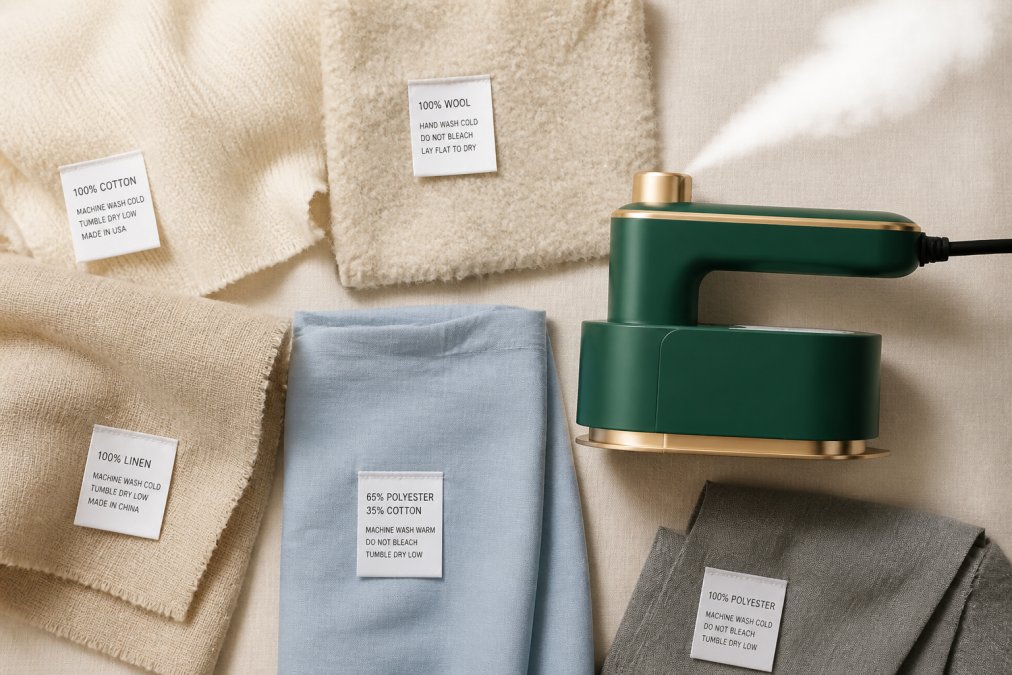
Cotton is prized for breathability and comfort. Look for long-staple cotton like Pima or Egyptian cotton, which produces softer, more durable fabrics. Quality cotton pieces account for shrinkage in their cutting.
Wool is naturally durable and temperature-regulating. Quality wool feels soft, not scratchy. Merino wool and cashmere are premium options. The Hooded Long Wool Loose Cardigan Sweater Coat from Jessiz Boutique exemplifies quality wool construction, made from 95% polyester and 5% elastane for durability and stretch recovery.

Synthetic blends combine natural and synthetic fibers for durability and low maintenance. A 70% viscose, 30% nylon blend (like the Autumn Open Front Cardigan from Jessiz Boutique) offers softness with added durability. These blends often perform better than pure synthetics and are easier to care for than pure naturals.
Polyester is durable and wrinkle-resistant but can feel plasticky if low-quality. High-quality polyester blends feel soft and drape well. Check the care label for fiber content clues. Quality pieces list specific fiber types and percentages.
How to Build a Capsule Wardrobe with Quality Pieces
Building a capsule wardrobe means selecting versatile, high-quality pieces that work together and last for years. Start by identifying your color palette, choose three to four neutral base colors (black, navy, gray, beige, or white) that work with your skin tone.
Invest in quality basics first: a well-fitting white t-shirt, neutral sweater, quality jeans, and a simple blouse. These pieces should have solid construction and quality fabrics. The Open Sweater Cover-Up Dress from Jessiz Boutique works as both a beach cover-up and casual layering piece, demonstrating the versatility that makes a capsule wardrobe efficient.
Add layering pieces like cardigans, blazers, and lightweight jackets. A quality cardigan like the Autumn Open Front Cardigan should have good seam construction, quality buttons, and fabric that maintains its shape after washing.

Choose pieces that fit your lifestyle and body type. Know your measurements and how different brands fit. Limit your pieces to items you genuinely love, every piece should serve a purpose and coordinate with at least two other items. Quality pieces cost more upfront but save money long-term. Think in terms of cost-per-wear rather than initial price.
Assessing Quality When Shopping Online
Read product descriptions carefully. Quality retailers provide detailed information about fiber content, construction methods, and care requirements. Examine photos from multiple angles, quality retailers show close-up photos of seams, buttons, zippers, and fabric texture.
Use the zoom feature on product photos to see stitching, seam construction, and fabric details. Read customer reviews thoroughly, looking for comments about durability and whether garments held up after washing. Pay attention to how many wears reviewers got before problems appeared.
Look for sizing guides and fit information. Quality retailers provide detailed measurements. Check return policies before buying, a generous return policy suggests confidence in quality. Ask customer service questions; quality retailers have knowledgeable teams who can answer specific questions about construction and durability.
Compare similar items across retailers to understand what quality looks like. Watch for inconsistent sizing in reviews, if the same size fits differently from one order to another, the manufacturer has quality control issues.
Learning to spot high quality clothing transforms your relationship with fashion. You stop chasing trends that fall apart and start building a wardrobe of pieces you actually love wearing. At Jessiz Boutique, we understand that affordable fashion doesn't mean sacrificing quality. Our curated collection emphasizes well-made pieces with solid construction, quality fabrics, and attention to detail. When you shop with us, you're investing in garments designed to last, from our cardigans with reinforced seams to our versatile layering pieces. Shop now and discover pieces that combine style, durability, and value.
Frequently Asked Questions
What are the signs of high-quality fabric?
High-quality fabric feels substantial and has tight weave structure. Look for fabric that doesn't wrinkle excessively, holds its shape after wearing, and doesn't pill or shed microplastics easily. Natural fibers like cotton and wool typically have better durability and hand-feel than cheap synthetics. Check the care label for fiber content, garments with higher percentages of natural materials tend to perform better over time and maintain their appearance through multiple washes.
How can you tell if a garment is well-constructed?
Well-constructed garments have several hallmarks: flat-felled or bound seams rather than raw edges, tight and even stitch tension, reinforced stress points like armholes and crotch seams, and pattern matching at visible seams. Buttons are securely attached with multiple threads, zippers glide smoothly without snagging, and hems are finished cleanly. Pick up the garment and check the inside, quality construction is evident in the details you don't see on the outside.
Is 100% natural fiber better than a synthetic blend?
Not always. Pure natural fibers like 100% cotton offer breathability and durability but can shrink or wrinkle more. Synthetic blends (like 95% polyester with 5% spandex) add stretch, wrinkle resistance, and recovery, meaning the garment bounces back to shape. The best choice depends on the garment type. Activewear benefits from synthetics; everyday basics often do well with natural fibers or thoughtful blends. Check the care instructions to understand how each fabric will perform after washing.
Can you assess clothing quality when shopping online?
Yes, but you need detailed photos and honest product descriptions. Look for close-ups of seams, fabric texture, and construction details. Read customer reviews carefully for comments about fit, durability, and how the item holds up after washing. Check the fiber content and care instructions, these reveal material quality. Ask for fit guides or measurements, and verify return policies before purchasing. Many quality concerns come from poor fit rather than poor construction, so sizing accuracy is critical when buying online.
This article was written using GrandRanker