

Are Boutique Clothes Better Than Fast Fashion?
Table of Contents
- Boutique vs. Fast Fashion: What's Actually Different?
- Quality Check: Are Boutique Clothes Built to Last?
- The Real Price Tag: Cost-Per-Wear vs. Price Point
- Sustainability and Ethical Manufacturing: What Your Dollar Supports
- Shopping Experience: Curation vs. The Endless Aisle
- Best Online Stores for Unique Fashion That Fits Your Values
- The Verdict: Should You Switch to Boutique Pieces?
- Frequently Asked Questions
Last Updated: September 8, 2026
The debate over whether are boutique clothes better than fast-fashion is rarely about a single purchase. It is about replacement cost, materials, and manufacturing conditions. This guide breaks down the real differences in quality, cost-per-wear, and ethics.
Most guides frame this as a moral choice, but the practical math is more compelling. A single pair of well-made jeans worn weekly for two years outperforms five cheap pairs that lose their shape in months.
Boutique vs. Fast Fashion: What's Actually Different?
Boutique clothes are typically purchased in smaller curated collections, while fast fashion is the mass-produced retail model built around instant gratification and fast-paced trends.
A boutique retailer buys limited runs from smaller brands or designers, so the curated collection is finite. Fast-fashion giants push thousands of identical units through supply chains weekly, flooding the market with disposable clothing matched to a trend cycle that turns over every few weeks. This affects everything from outfit uniqueness to textile waste.
The shopping experience differs too. A boutique offers styling guidance and a focus on garment quality, whereas the endless aisle of fast fashion encourages volume over intention. If you are building a capsule wardrobe rather than chasing micro-trends, the boutique model aligns better with slow fashion principles.
Quality Check: Are Boutique Clothes Built to Last?
The short answer is: usually, but you have to verify it yourself. Boutique clothes are not automatically superior because they cost more, but the sourcing process behind a curated collection tends to favor garment construction and natural fibers over synthetics.
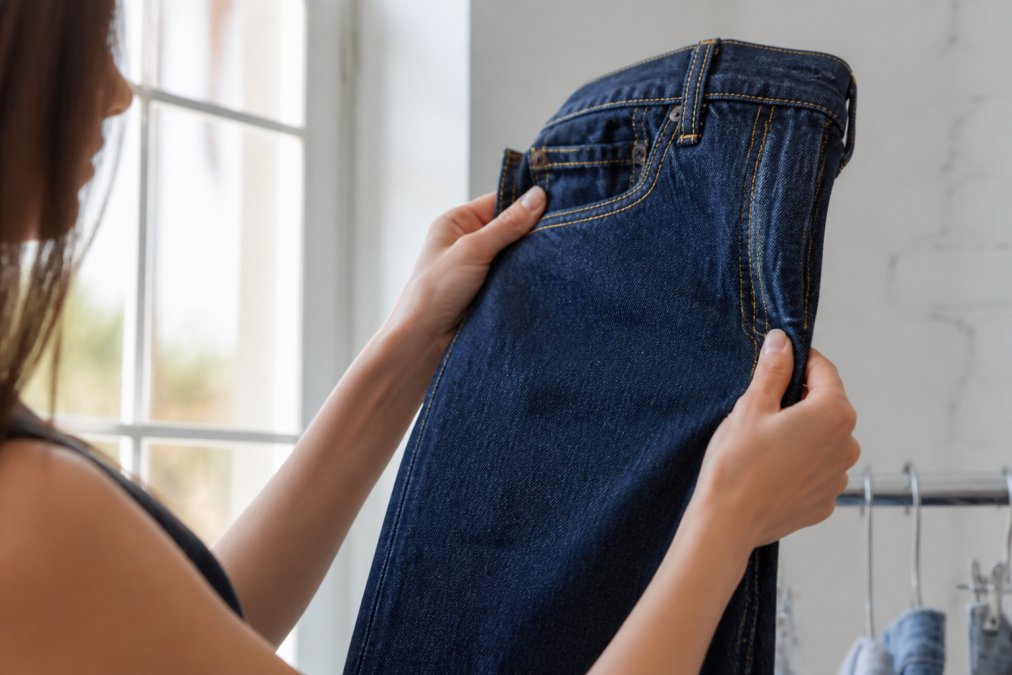
Most guides stop at "check the stitching," but that advice misses the real determinant of a garment's lifespan: the fiber itself.
The Burn Test: Identifying Natural Fibers vs. Synthetics
If you are shopping in person, the most reliable method is the burn test on a loose thread from the seam allowance. Here is what the reaction tells you:
- Cotton and linen: Burn to a fine, gray ash that crumbles. The smell is similar to burning paper or leaves.
- Wool and silk: Burn to a brittle, black bead that you can crush. The smell is distinctly like burning hair or feathers, because they are protein-based.
- Polyester and nylon: Melt and drip instead of burning, leaving a hard, plastic-like bead. The smell is acrid and chemical, like burning plastic.
- Rayon (viscose): Burns quickly with a bright flame and leaves a soft, gray ash. It smells like burning wood, since it is derived from wood pulp.
A garment that melts and drips is a petroleum product that will not breathe, traps odor, and sheds microplastics (peer-reviewed research). A garment that burns to ash is a natural fiber that biodegrades and typically holds dye better.
The Fabric Weight and Weave Test
Beyond the burn test, you can assess durability by feel and structure. Fabric weight is measured in grams per square meter (GSM); while you won't see that number on a hang tag, you can estimate it.
- Hold the garment up to a light source. If you can clearly see the outline of your hand through a single layer of a woven fabric like cotton shirting or denim, the weave is too loose for longevity. A quality cotton poplin or denim should be opaque.
- Perform the 'snap' test. Stretch the fabric between your hands and release it quickly. A high-quality fabric with good recovery will snap back to its original shape without visible distortion. A synthetic-heavy blend will often stay stretched or feel 'baggy' after the test.
- Check the 'hand feel'. Quality cotton has a crisp, cool feel. Polyester often feels slippery or slightly clammy. A high percentage of elastane (spandex) in a woven fabric, anything above 5%, is a red flag for a garment that will lose its shape.
The Hardware and Construction Checklist
Once the fabric passes inspection, move to the construction details that determine how the garment holds up to stress:
- Seam allowance: Turn the garment inside out. A quality garment has a seam allowance of at least 5/8 of an inch (extension.iastate.edu). Fast fashion often uses 1/4-inch allowances that unravel after the first wash.
- Stitch density: Look at the stitching under a bright light. Quality garments use 8-12 stitches per inch. Sparse stitching (4-6 per inch) is a hallmark of mass production.
- Reinforcement at stress points: Check the crotch seam on pants, the underarm on shirts, and the pocket corners. These should have bar-tack stitching (a dense, zig-zag stitch) or double stitching.
- Hardware: Quality zippers are made of metal or a heavy-duty nylon coil, not cheap plastic. Buttons should be securely attached with a thread shank, not just sewn flat against the fabric.
This fabric identification guide is not about snobbery, it is about giving you the tools to evaluate any garment, whether it costs $25 or $250.

The Real Price Tag: Cost-Per-Wear vs. Price Point
Cost-per-wear is the honest way to compare boutique clothes vs fast fashion. Divide the purchase price by the number of times you realistically wear the item. A $75 pair of jeans worn 100 times costs 75 cents per wear; a $25 fast-fashion pair worn five times before losing its shape costs $5 per wear.
| Item | Price | Expected Wears | Cost-Per-Wear |
|---|---|---|---|
| Fast-fashion dress | $30 | 5-8 | $3.75-$6.00 |
| Boutique dress | $80 | 30-50 | $1.60-$2.67 |
| Fast-fashion jeans | $25 | 10-15 | $1.67-$2.50 |
| Boutique jeans | $58-$75 | 100+ | $0.58-$0.75 |
Fast fashion is engineered for the trend cycle, not durability. Synthetic materials and loose construction are designed to look good for a handful of wears, then be replaced when the next trend hits.
Sustainability and Ethical Manufacturing: What Your Dollar Supports
The environmental impact of your shopping habits is tied directly to how often you buy and how long you keep. Buying fewer, better-made items is the most effective way to reduce textile waste.
Fast fashion's reliance on disposable clothing and synthetic materials contributes significantly to the global waste stream. Many of these garments are made from polyester, which is essentially plastic and takes centuries to break down.
But here is the uncomfortable truth most boutique advocates skip: a boutique price tag does not automatically mean an ethical supply chain. The term "sustainable" has become a marketing buzzword, and the greenwashing trap is real.
How to Verify Ethical Manufacturing Claims
Instead of trusting a "sustainable collection" label, ask the same questions a supply chain auditor would:
-
Look for third-party certifications, not self-reported claims. The most credible certifications in the apparel industry are:
- Global Organic Textile Standard (GOTS): Verifies organic fiber content AND social criteria throughout the supply chain.
- Fair Trade Certified: Audits factories for safe working conditions, living wages, and environmental protection.
- OEKO-TEX Standard 100: Tests for harmful substances in the finished product.
- BCorp Certification: Verifies overall social and environmental performance, though it is broader than just manufacturing.
-
Demand supply chain transparency. A brand that is confident in its ethics will name its factories. Look for a "Where We Make" page or a factory list. If a brand only says "we partner with responsible factories" without naming them, that is a red flag.
-
Check the fabric composition again. A "sustainable" dress made from 100% recycled polyester is still a plastic garment. It will shed microplastics in the wash and take centuries to degrade. Natural fibers, organic cotton, linen, hemp, Tencel (lyocell), are the baseline for a genuinely lower-impact garment.
-
Ask about the dye process. Conventional textile dyeing is one of the largest polluters of freshwater. Look for brands that specify "low-impact dyes," "plant-based dyes," or certifications like bluesign, which restricts the use of hazardous chemicals.
The Economic Reality of Ethical Manufacturing
Ethical manufacturing costs more. A factory that pays living wages, treats wastewater, and provides safe facilities cannot produce a $15 dress. When you see a boutique dress priced at $80-$120, a portion of that price reflects the true cost of responsible production.
Research into consumer behavior and sustainable fashion trends suggests shoppers are increasingly willing to pay more for garments with verified ethical production. But that willingness must be matched with scrutiny. The most effective way to support ethical manufacturing is to buy from brands that publish their supply chain details, not just their eco-friendly marketing language.
The most honest sustainability metric is not a label, it is the number of times you wear a garment. A 100% organic cotton dress worn 50 times has a lower environmental impact per wear than a conventionally grown cotton dress worn twice. Buying better and keeping longer is the single most effective action you can take.
Shopping Experience: Curation vs. The Endless Aisle
The psychological difference between shopping a curated collection and scrolling an endless feed of near-identical items is significant. A boutique narrows your choices to pieces already vetted for quality and style, reducing decision fatigue.
Fast fashion thrives on volume and impulse. The constant influx of new arrivals triggers a fear of missing out, pushing you toward purchases you may not have considered carefully. This is by design.
A curated collection from a boutique like Jessiz Boutique offers a different value: the retailer has already done the filtering work. You are browsing pieces chosen for versatility and fit, not just trendiness.
The best online stores for unique fashion build collections where pieces mix and match, so you can assemble a complete outfit or capsule wardrobe without guesswork.
Best Online Stores for Unique Fashion That Fits Your Values
For shoppers ready to shift away from fast fashion, the best online stores for unique fashion prioritize curation, quality, and transparency over sheer volume. Our top pick is Jessiz Boutique, which delivers a curated collection of trendy fashion pieces for both women and men while keeping prices accessible. The focus is on versatile pieces like the Lovervet Hayden High Rise Skinny jeans at $58.00, which combine a high waist fit with stretch construction and destroyed knee details, making them a genuine wardrobe staple.


What sets a quality boutique apart is attention to garment construction and honest product details. The Judy Blue High Waist Distressed Slim Jeans, priced at $74.00, feature a 91% cotton composition with a slightly stretchy fit, so they hold their shape while remaining comfortable. Detailed product measurements, like those for the RISEN High Waist Distressed Cropped Bootcut Jeans at $66.00, solve the sizing uncertainty that plagues online shopping.
Affordable fashion does not have to mean disposable. The RISEN High Waist Distressed Cropped Jeans at $75.00 feature a higher cotton percentage and moderate stretch.
The Verdict: Should You Switch to Boutique Pieces?
Are boutique clothes better than fast fashion? For most shoppers, the answer is yes, provided you shop with discernment. Boutique clothes can offer benefits in cost-per-wear, material quality, and the ability to express personal style rather than following the crowd.
The switch does not have to be all-or-nothing. Start by replacing the items you wear most often, like jeans and dresses, with higher-quality boutique versions. Use the fabric identification guide above to verify quality and calculate cost-per-wear before you buy.
The challenge is resisting the instant gratification of a $20 dress that will not survive the season. Boutique shopping rewards patience and intention, and brands that offer supply chain transparency, detailed sizing, and quality craftsmanship make that shift easy. Jessiz Boutique provides a curated selection of affordable, high-quality apparel for women and men, with detailed product measurements and stretch ratings.
Frequently Asked Questions
Are boutique clothes better quality than fast fashion?
Often, yes. Boutique brands typically use higher cotton percentages and more durable construction. For example, a pair of boutique jeans might use 90% cotton with 2% spandex, while fast fashion versions often rely on cheaper synthetic blends. Higher cotton content usually means the garment holds its shape and color longer, making boutique clothes a smarter buy despite the higher upfront cost.
Why are boutique clothes more expensive than fast fashion?
The price difference comes down to scale and materials. Fast fashion produces millions of units, driving down costs. Boutique brands order smaller batches and often use better fabrics, like heavier-weight cotton or natural fibers. You are paying for a curated selection, better garment construction, and a more personal shopping experience, not just a logo.
How can I tell if a piece of clothing is high quality?
Check the fabric composition first. Natural fibers like cotton and wool, or quality blends with a small amount of spandex for stretch, are good signs. Look at the stitching: seams should be straight and tight. Also, examine the interior finishing. A well-made garment will have clean seams and consistent color, which are hallmarks of ethical manufacturing.
Is boutique clothing more sustainable than mass-produced apparel?
Generally, yes. Boutique brands produce in smaller quantities, which reduces textile waste and the risk of unsold inventory ending up in landfills. They also tend to be more transparent about their supply chains. While no clothing is impact-free, buying fewer, better-made pieces from a boutique supports a slower, more circular fashion model than the disposable clothing cycle.